
Optimize for Profit: Campaign Automation Best Practices Guide

Master campaign automation with our best practices guide. Discover strategies to optimize your marketing efforts, increase efficiency, and maximize profit.
Strategic Campaign Automation: Best Practices for Growth
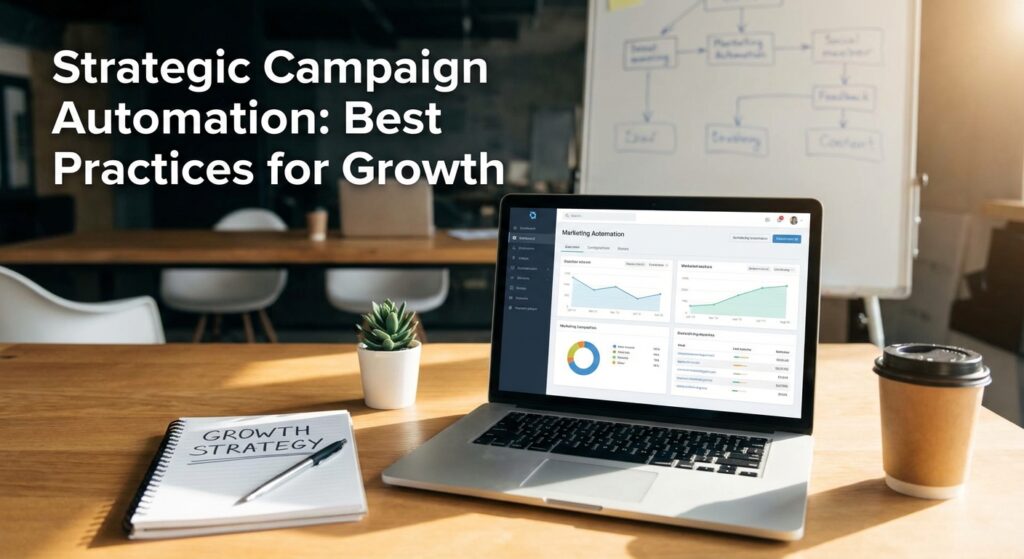
Unlock business growth with strategic campaign automation. Discover best practices, essential strategies, and actionable tips for optimizing your campaigns effectively.
Expert Guide: Best Practices for Profitable Campaign Automation

Unlock maximum ROI with our expert guide to profitable campaign automation. Discover best practices, strategies, and tips to optimize your campaigns for success.
Boost ROI: Proven Best Practices for Campaign Automation Success

Discover proven best practices for campaign automation to significantly boost your marketing ROI. Learn strategies for successful implementation & optimize your campaigns.
B2C Marketing Automation: Scale Growth & Maximize Customer Value
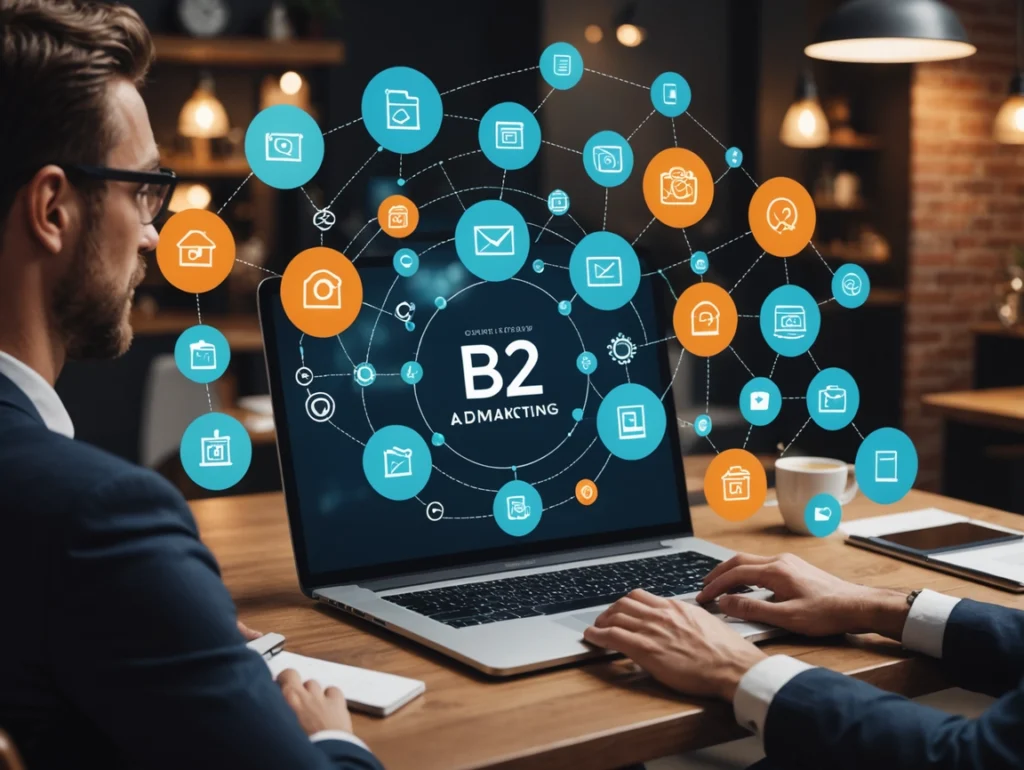
Scaling consumer businesses today demands moving far beyond mass emails; it requires orchestrating personalized, real-time engagement at every stage of the customer lifecycle. Mastering B2C marketing automation means leveraging data intelligently to deliver the right message, on the right channel, at the precise moment the customer is ready to act. The Foundation of B2C Marketing Automation: Why It Matters B2C marketing automation is the strategic use of software to streamline, automate, and measure marketing tasks and workflows to nurture customer relationships efficiently and consistently. The primary goal is achieving scalable growth by ensuring every customer interaction feels personal, regardless of volume, significantly boosting overall customer engagement. Defining B2C Marketing Automation for Scalable Growth True automation is not just scheduling messages; it is the infrastructure that supports continuous interaction, allowing brands to handle millions of customers with the feel of one-to-one service. This capability directly supports scalable growth by freeing up human marketers from repetitive tasks to focus on high-level strategy and creative development. Understanding the Core Components: Automation, Personalization, and Customer Journeys These three elements are deeply intertwined; effective automation is the engine that drives dynamic personalization across defined customer journeys. For instance, a personalized recommendation engine on an e-commerce site demonstrates this synergy: automation triggers the display of relevant products based on browsing history (personalization), creating a smooth, relevant experience (customer journey) for the shopper. Without seamless integration between these core components, automation efforts risk delivering generic, untargeted communications. The Crucial Role of Data 360 and Customer Data Platforms (CDPs) A unified customer view, often called Data 360, is the absolute foundation for effective B2C automation. This unified view is typically created and managed by a Customer Data Platform (CDP), which collects, cleans, and unifies disparate customer data points from various sources. CDPs can improve data accuracy by up to 40%, directly resulting in more precise segmentation and significantly more effective personalization across your marketing automation efforts. Strategic Pillars for B2C Marketing Automation Success Building a robust automation framework requires establishing strategic pillars that govern how interactions are mapped, delivered, and optimized across the entire customer lifecycle. Architecting Superior Customer Experiences Through Journey Orchestration Journey orchestration is the strategic mapping and automated execution of customer touchpoints across multiple channels designed to guide users toward desired business outcomes. This proactive mapping ensures consistency in your marketing campaigns, treating every stage of the customer experience with strategic intent. Harnessing AI and Machine Learning for Predictive Personalization and Engagement Moving beyond simple if/then rules, AI and machine learning analyze massive datasets to predict future customer behavior and preferences. This allows for predictive personalization, enabling hyper-targeted messaging designed for customer engagement based on predicted “next best actions,” which can increase conversion rates by up to 20%. Implementing Omnichannel Marketing Strategies for Seamless Cross-Channel Automation Omnichannel marketing ensures the customer sees a single, cohesive brand voice whether they interact via email, web, app, or social media. Effective cross-channel automation manages handoffs between these touchpoints automatically, ensuring continuity in the customer experience, often incorporating channels like SMS marketing. Mastering B2C Automation: Advanced Tactics and Segmentation Once the foundation is set, success hinges on the refinement of targeting and the sophistication of triggered interactions. Deep Dive into Advanced Segmentation Strategies for B2C Audiences Stop relying solely on basic demographics; advanced contact segmentation must incorporate psychographics, detailed purchase history, and predictive scores. This level of detail allows for the creation of highly specific audience persona groups, leading to vastly improved campaign relevance. Behavior-Based Emails: Triggering Actions and Driving Conversions Behavior-based emails are critical for immediate response in high-intent moments, utilizing ecommerce integrations to monitor actions. Examples of effective triggered actions include sending an immediate “You left this behind” email after a customer abandons a cart, or a specialized offer after a customer views a high-value product three times in one week. Leveraging Social Proof and Customer Reviews for Enhanced Credibility Trust is built through transparency; automate the collection and insertion of customer reviews and testimonials directly into your outreach. This real-time display of social proof within transactional emails or on landing pages significantly enhances credibility and reduces friction in the path to purchase. The Art of Lead Nurturing: From Welcome Series to Loyalty Programs Comprehensive lead nurturing involves automated sequences designed to build relationships over time, moving prospects efficiently through the funnel. This starts robustly with a sequence for welcome new customers and extends through continuous communication designed to foster customer loyalty and advocacy. For immediate application, utilize our Lead Nurturing Flow Template, which outlines stages including Welcome/Onboarding, Education/Value, Consideration/Proof, Decision/Offer, and Loyalty/Advocacy, suggesting specific email types for each step. Crafting High-Impact Email Personalization: Beyond the Basics True email personalization means deploying dynamic content blocks that change based on individual real-time data, not just inserting the recipient’s first name. Leverage recommendations based on their last purchase or browsing session, or deliver tailored content specific to their lifecycle stage, significantly improving relevance for events like product launches. Quantifying Success: Measuring the ROI of B2C Automation If you cannot measure it, you cannot justify the investment; understanding the financial impact of automation is vital for securing future resources. Key Performance Indicators (KPIs) for B2C Marketing Automation Success Track these essential Key Performance Indicators (KPIs) to gauge operational effectiveness: Conversion Rates (overall and per flow) Click-Through Rates (CTR) and Open Rates Customer Acquisition Cost (CAC) Customer Lifetime Value (CLV) Average Order Value (AOV) Churn Rate Effective B2C marketing automation can reduce CAC by up to 30% by optimizing spend on high-intent segments. Downloadable: B2C Marketing Automation ROI Calculator To translate these KPIs into dollars, use our B2C Marketing Automation ROI Calculator tool. This tool allows you to input your Current Marketing Spend, Average Conversion Rate, AOV, and CLV, alongside your estimated Cost Reduction from Automation and Projected Increase in Conversion Rate/AOV due to automation. The output provides a clear projection of your overall ROI, Projected Revenue Increase, and Projected Cost Savings post-implementation. Benchmarking Performance: Industry Statistics and Growth Metrics To understand your performance trajectory, compare results against industry standards.
Seer’s Breakthrough: How Moonshot AI Is Solving the Reinforcement Learning Rollout Bottleneck for LLMs

Moonshot AI’s Seer solves the LLM reinforcement learning rollout bottleneck, boosting performance up to 97%. Learn how its RL optimization & Global KVCache transform AI training.
Automate Business Processes Efficiently

Discover how to automate business processes effectively. Learn ten proven methods to streamline operations, boost productivity, and transform your workflows.
The Ultimate Guide to Custom Web App Development

Discover the essentials of custom web app development and learn how to create tailored applications without extensive coding knowledge.
Why Insurers Are Declaring AI ‘Too Risky’: Understanding the Black Box Liability Challenge

Insurers deem AI ‘too risky’ due to the ‘black box’ problem, leading to liability exclusions. Learn about generative AI risk & how robust AI risk management can secure your business.
Unmasking the Black Box: How OpenAI’s New LLM Reveals AI’s Inner Workings
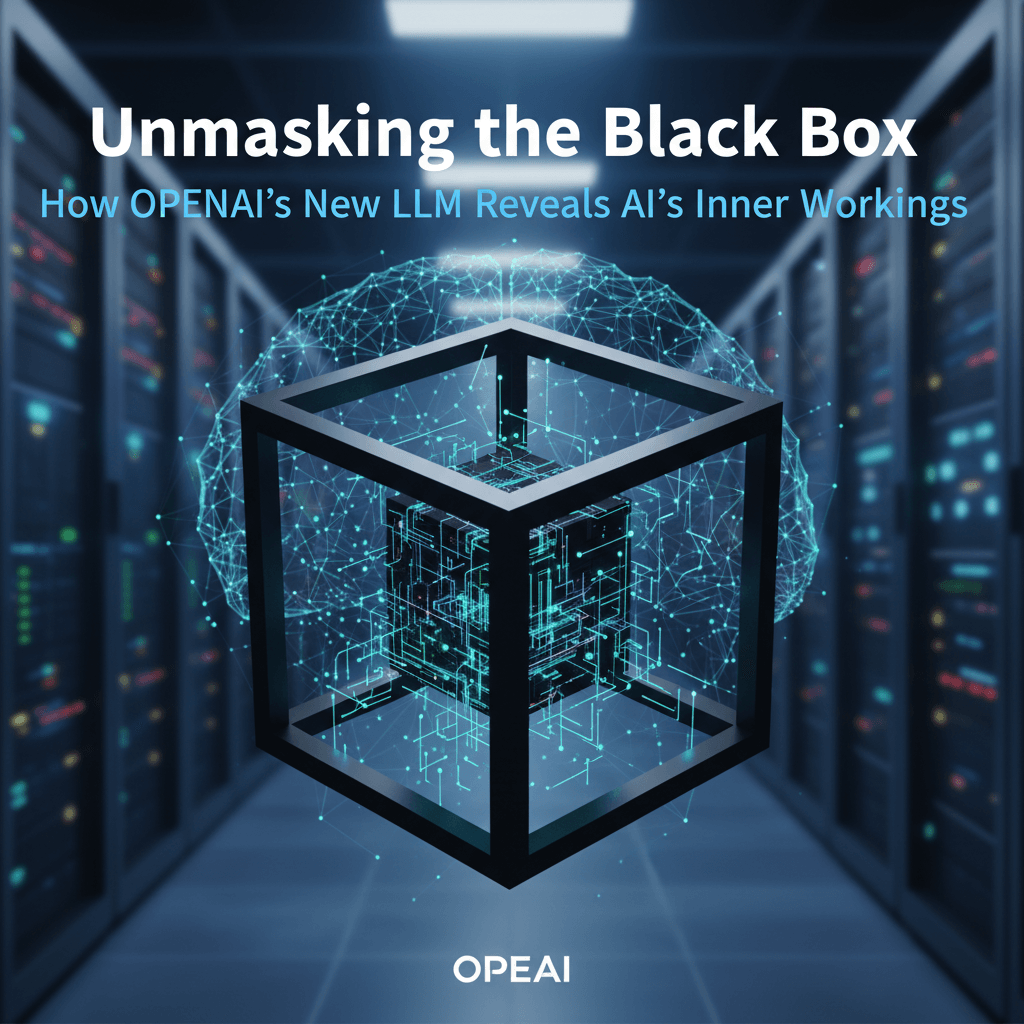
Discover how OpenAI’s new experimental LLM is cracking open the AI black box. Learn about this breakthrough in mechanistic interpretability, fostering AI transparency & trustworthy systems.